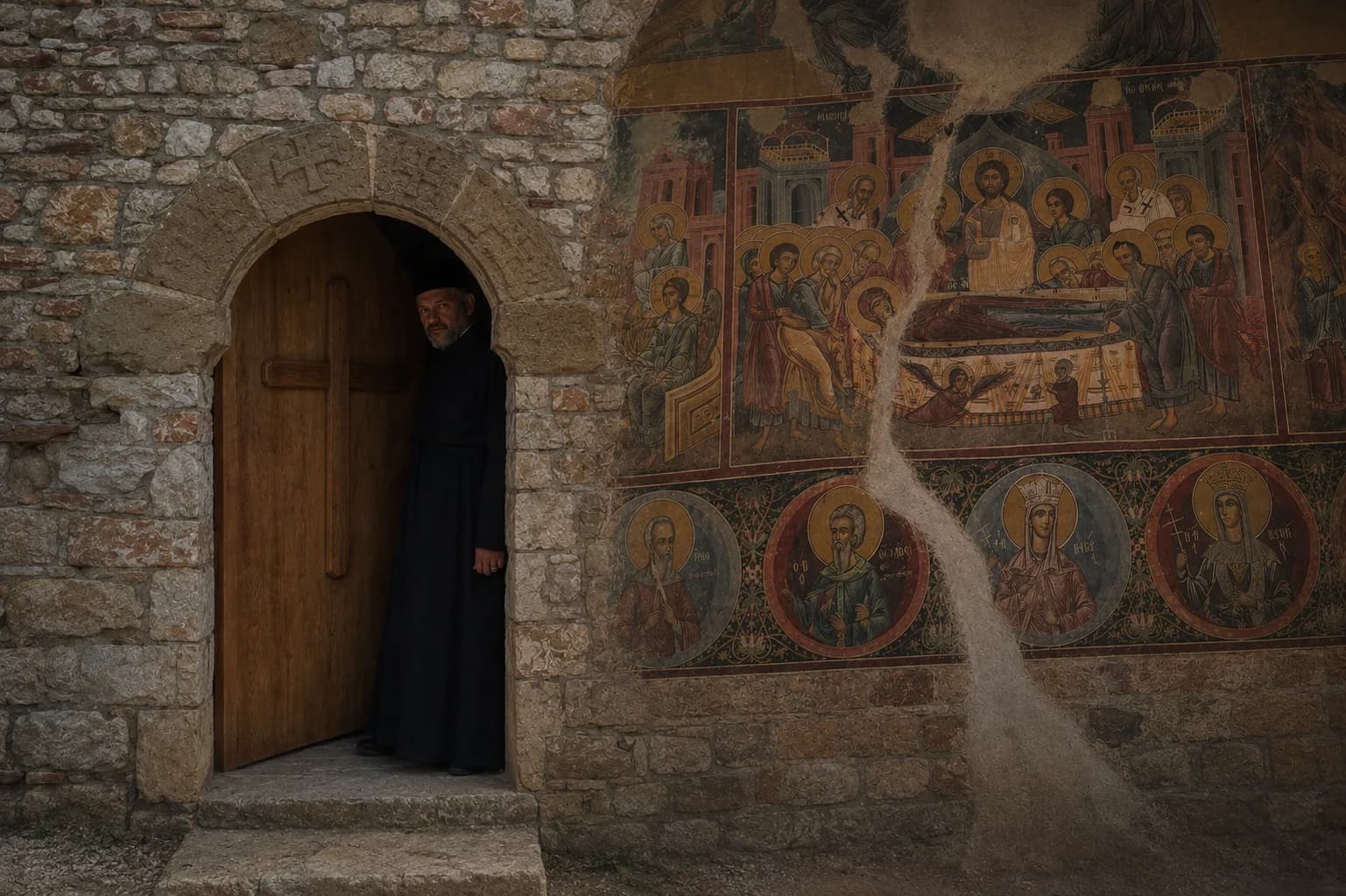
Not every journey begins with a map. Some begin with a colour.
In Elbasan, one of Albania’s oldest cities, that colour is Onufri’s Red. To understand it, first walk within the walls of the Castle—the historic heart of the city, continuously inhabited for almost two thousand years. Here, among Roman stones, Ottoman houses, churches and mosques hidden behind old gates, history is not displayed as it is in a museum. It remains alive. In the early morning, when light slowly touches the centuries-old walls and the narrow streets are still silent, Elbasan reveals its most authentic face. It does not try to astonish. It invites you to observe. The longer you stay, the more clearly you understand that this city has always been a bridge between cultures, faiths and trade routes linking the Adriatic with the East.
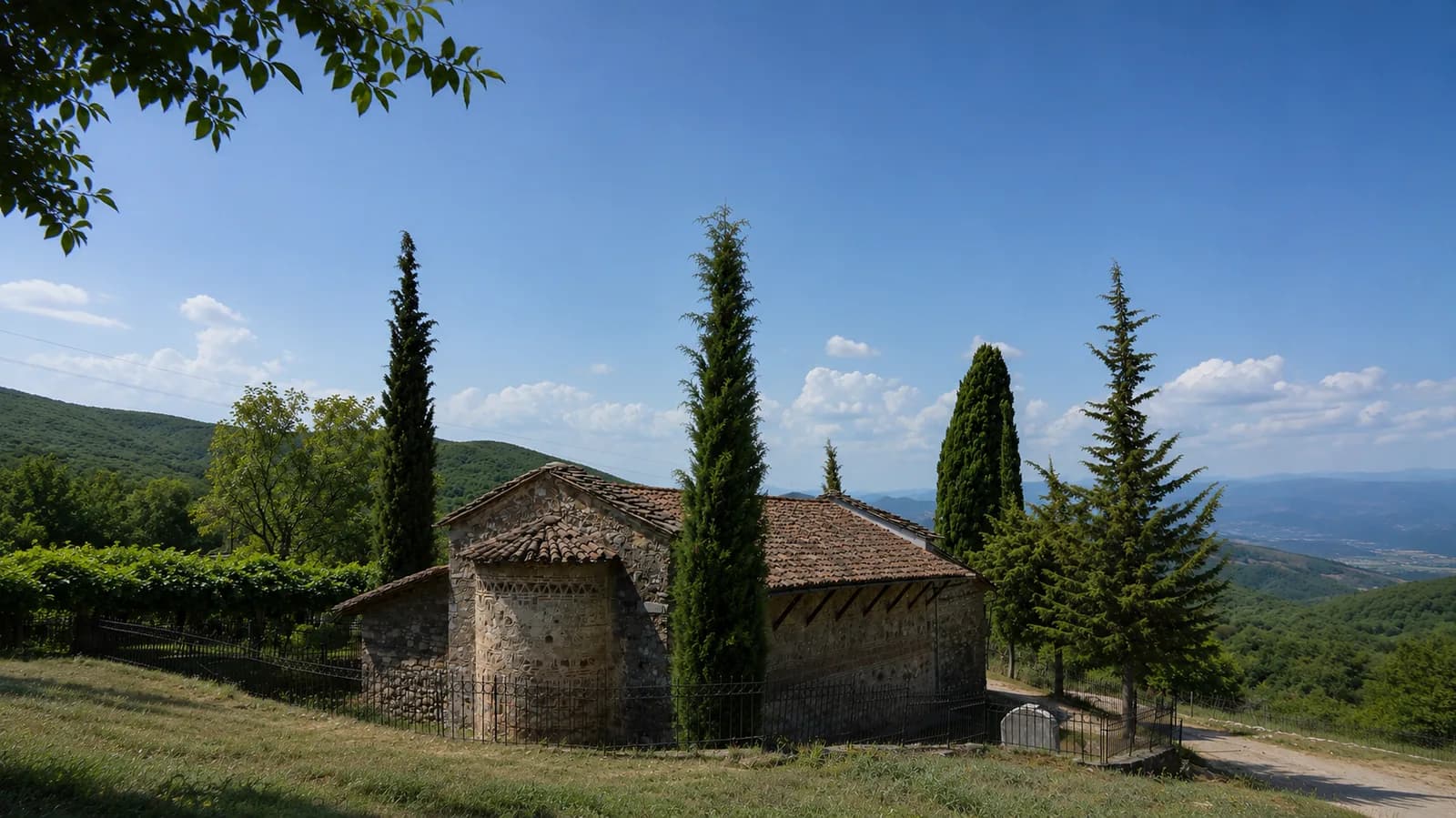
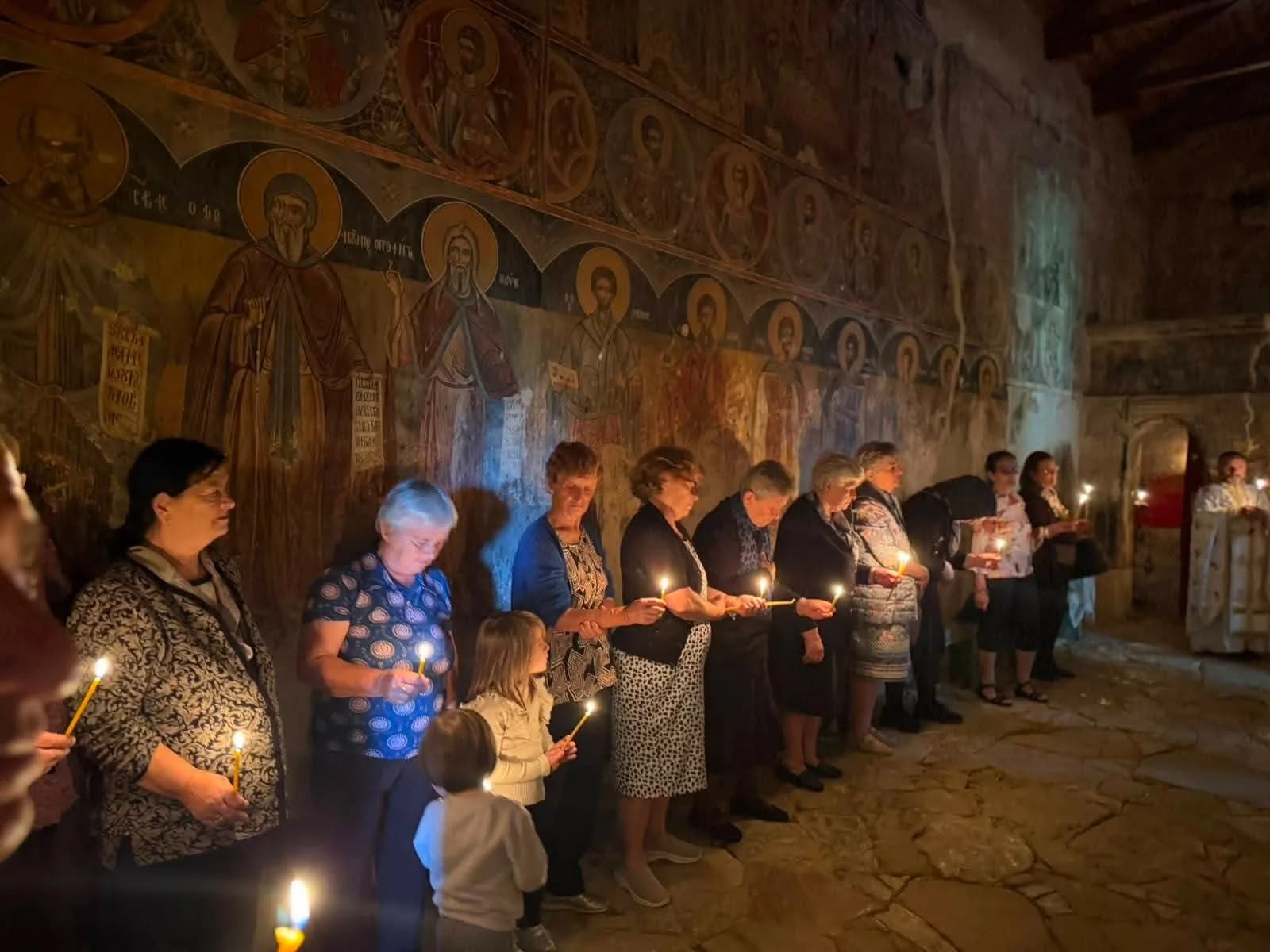
But the journey towards Onufri continues beyond the city, into the hills of Shpat. The landscape changes, the pace slows and nature becomes part of the experience. Hidden among forests, springs and green hills lies one of Albania’s most precious artistic treasures. In Shelcan, far from the usual tourist routes, the Church of Saint Nicholas preserves frescoes representing one of the highest achievements of post-Byzantine art. It was here, in the sixteenth century, that Onufri gave spirituality a profoundly human face. From the outside, the church is simple. Inside, however, a universe of colour, light and silence unfolds. The saints appear not as distant figures, but as beings with character, emotion and a presence that continues to communicate with visitors five centuries later.
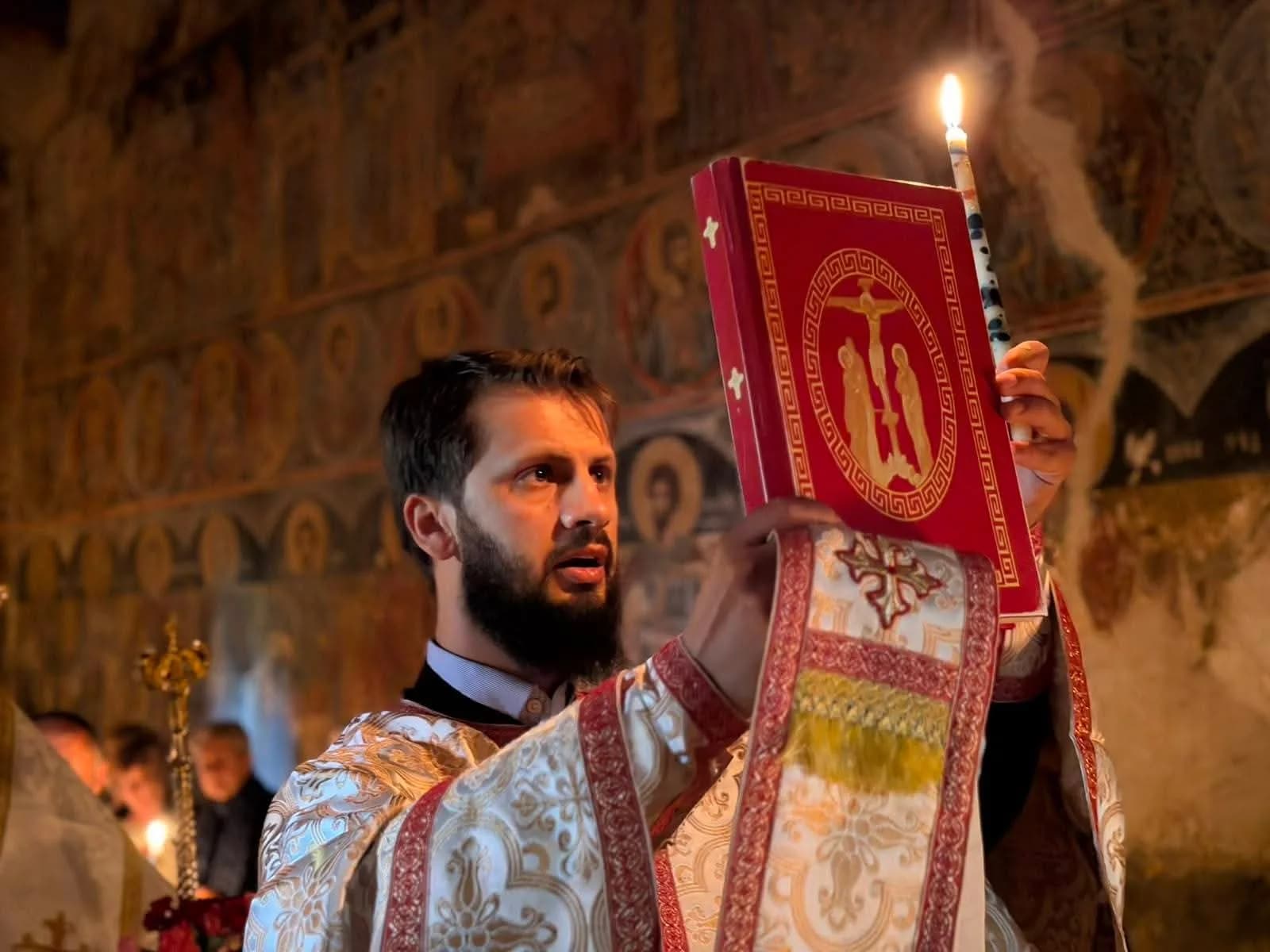
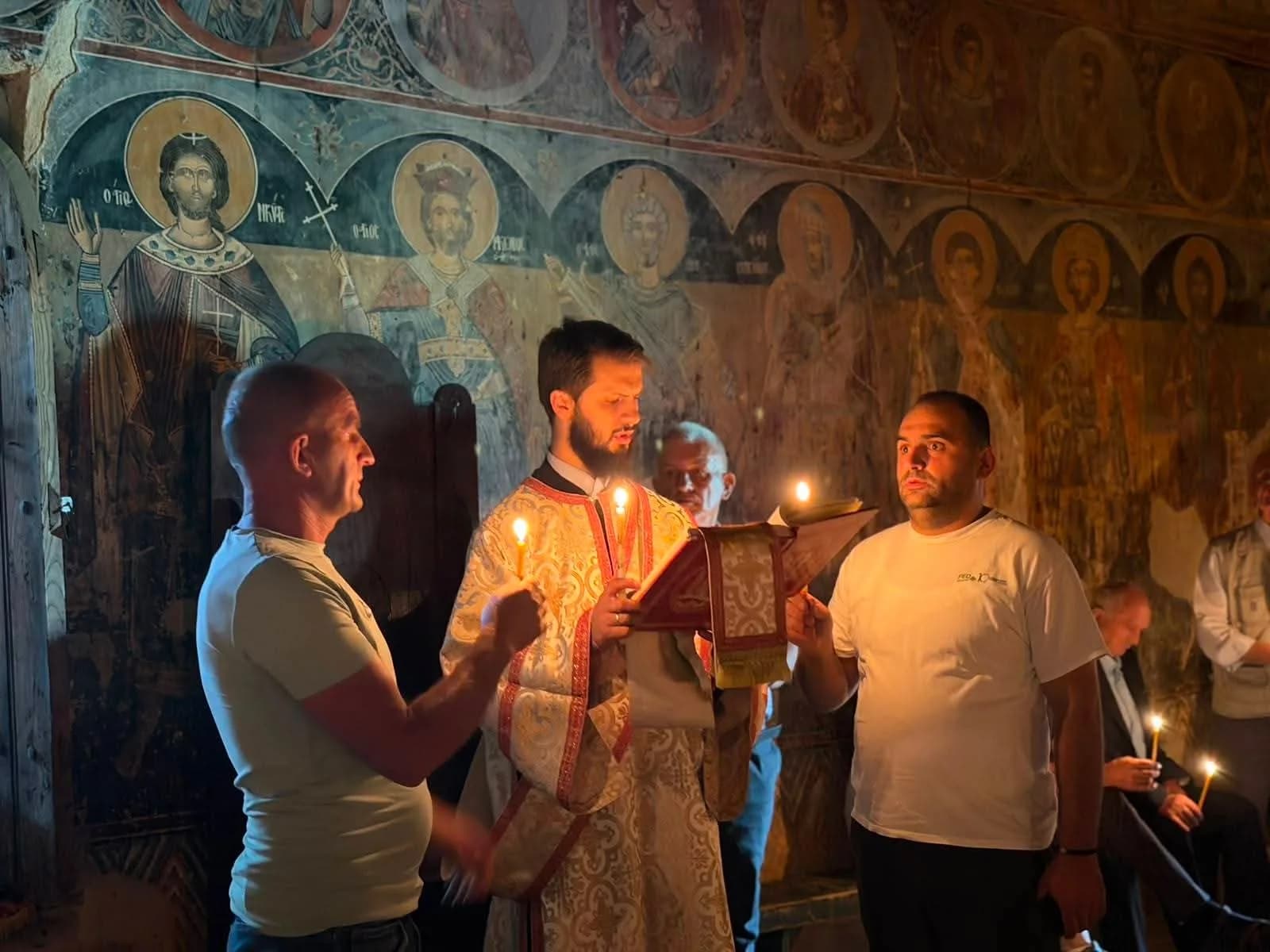
And then comes Onufri’s Red. A powerful, luminous and unmistakable colour that retains its extraordinary intensity even today. It is not merely pigment. It is an artistic declaration—a way of creating light, depth and life. As the frescoes reveal themselves one after another, it becomes clear that Shelcan is not simply a church in a mountain village. It is a sixteenth-century art gallery, preserved where it was created, far from Europe’s great centres yet close to their artistic perfection.
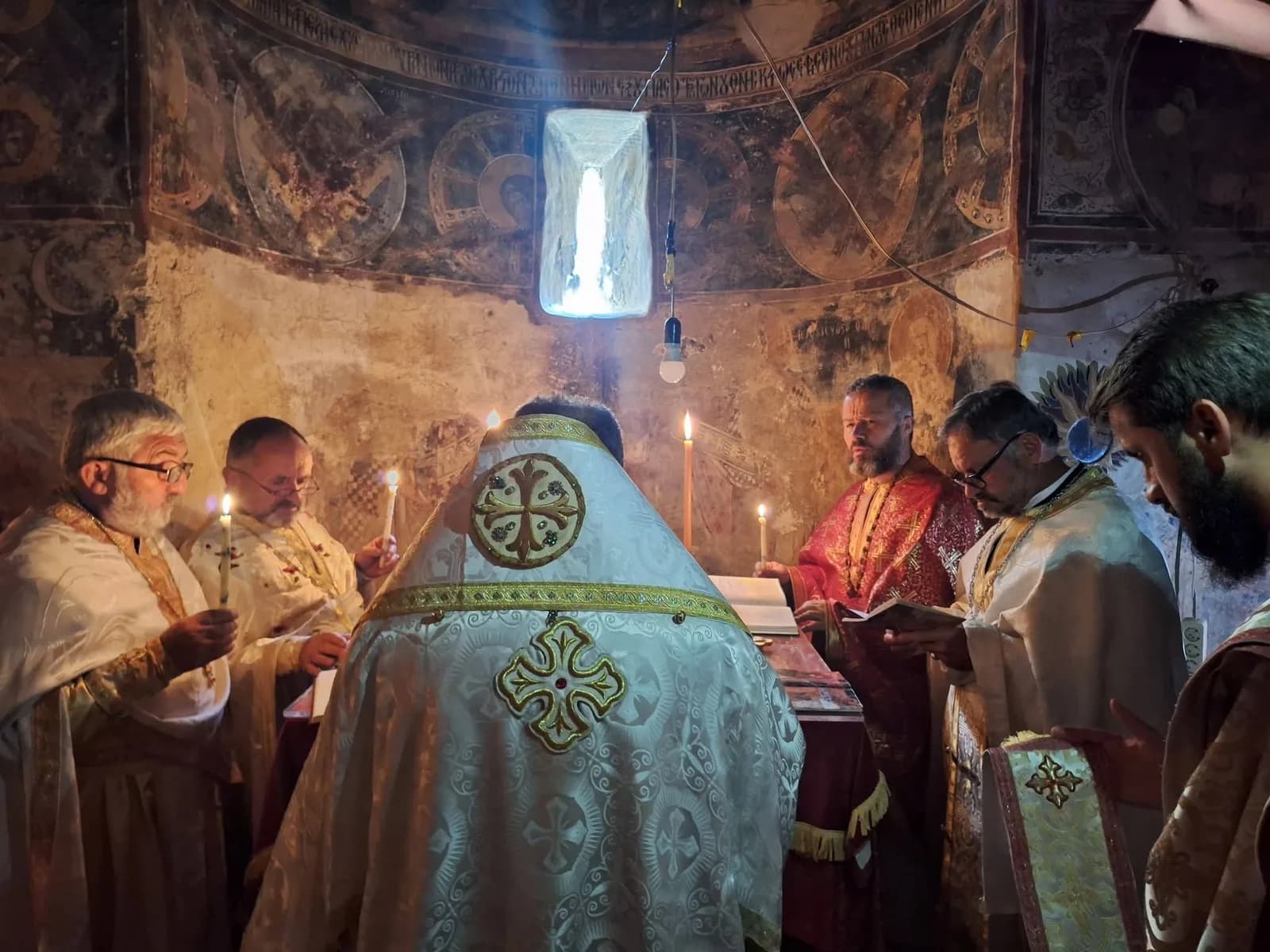
This is the privilege of authentic Albania: discovering masterpieces without crowds, experiencing cultural heritage within the landscape that inspired it, and meeting communities that have preserved it from one generation to the next. When you return to Elbasan, you realise this was more than a journey through history and art. It was an encounter with Albanian cultural identity itself. Perhaps this is Onufri’s greatest legacy: not only the colour that bears his name, but art’s ability to continue speaking across time, borders and generations. Because some journeys do not end at their destination. They remain in the memory forever.
Related Reading
Chosen for you by subject and destination.
The Newsletter
Travel in Style, toward what inspires you.
Subscribe to our newsletter to receive inspiring travel stories, newly discovered destinations, exclusive invitations, and the finest selections from G Travel with Style.